The Edgelands of Semporna: Silt, Salt, and the New Strata of the Pala’u
The Bajau, known as the A’a diLaut or "people of the sea," are a nomadic seafaring community that has haunted the Sulu and Celebes seas for centuries. Often referred to as "Sea Gypsies," they are a group whose identity is inextricably etched into the tides, traditionally living their entire lives aboard wooden houseboats known as lepa. They are a people defined by a "useful evolution," possessing spleens fifty percent larger than the average human—a physiological adaptation that allows them to haunt the seafloor for over five minutes on a single breath while hunting fish and octopi. As real mermen and women, they only feel "whole" when immersed in the ocean, existing at the threshold where the land’s edge dissolves into the turquoise horizon.
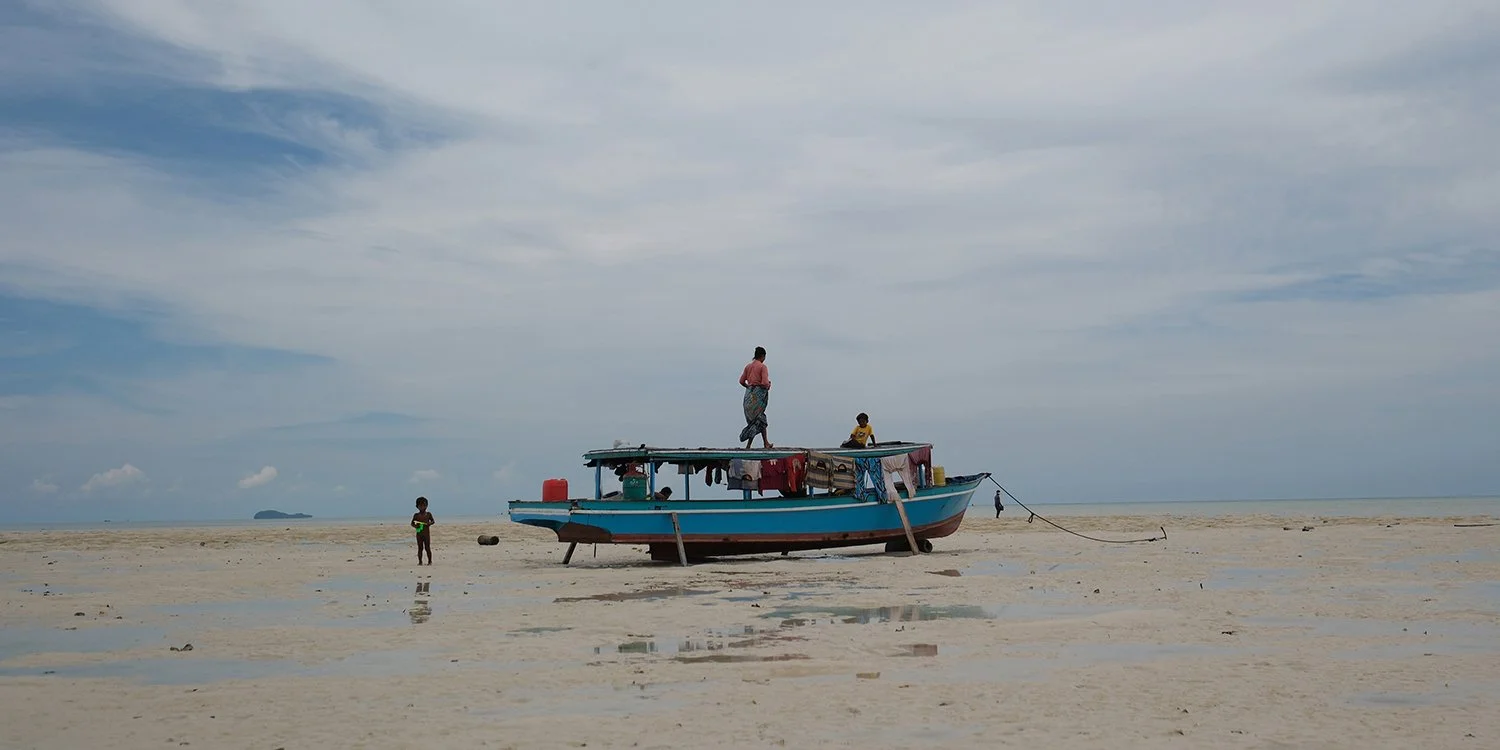
To journey into Semporna is to witness a landscape in transition, where many have abandoned the houseboat drift to become Bajau Darat or "Land Bajau". In this harbor town, the rhythm of the tides is replaced by the commerce of the market, where settled Bajau sell their catch, labor in logging and mining, or work as divers and unauthorized guides in the booming eco-tourism industry. Many have turned inland toward formal education and the embrace of Islam, with children learning Malay in religious schools, a change that is gradually displacing ancestral Bajau dialects. Yet, sailing further toward the islands of Omadal and Pulau Kalapuan, the ancient seafaring ways persist with greater tenacity. On Omadal, seventy families live in bungalows raised on wooden legs above the lagoon, connected by a skeletal network of rickety, sun-bleached bridges. In these outposts, women still smear their faces with yellow borak turmeric paste, a century-old protection used to shield their skin from the intensity of the equatorial sun.
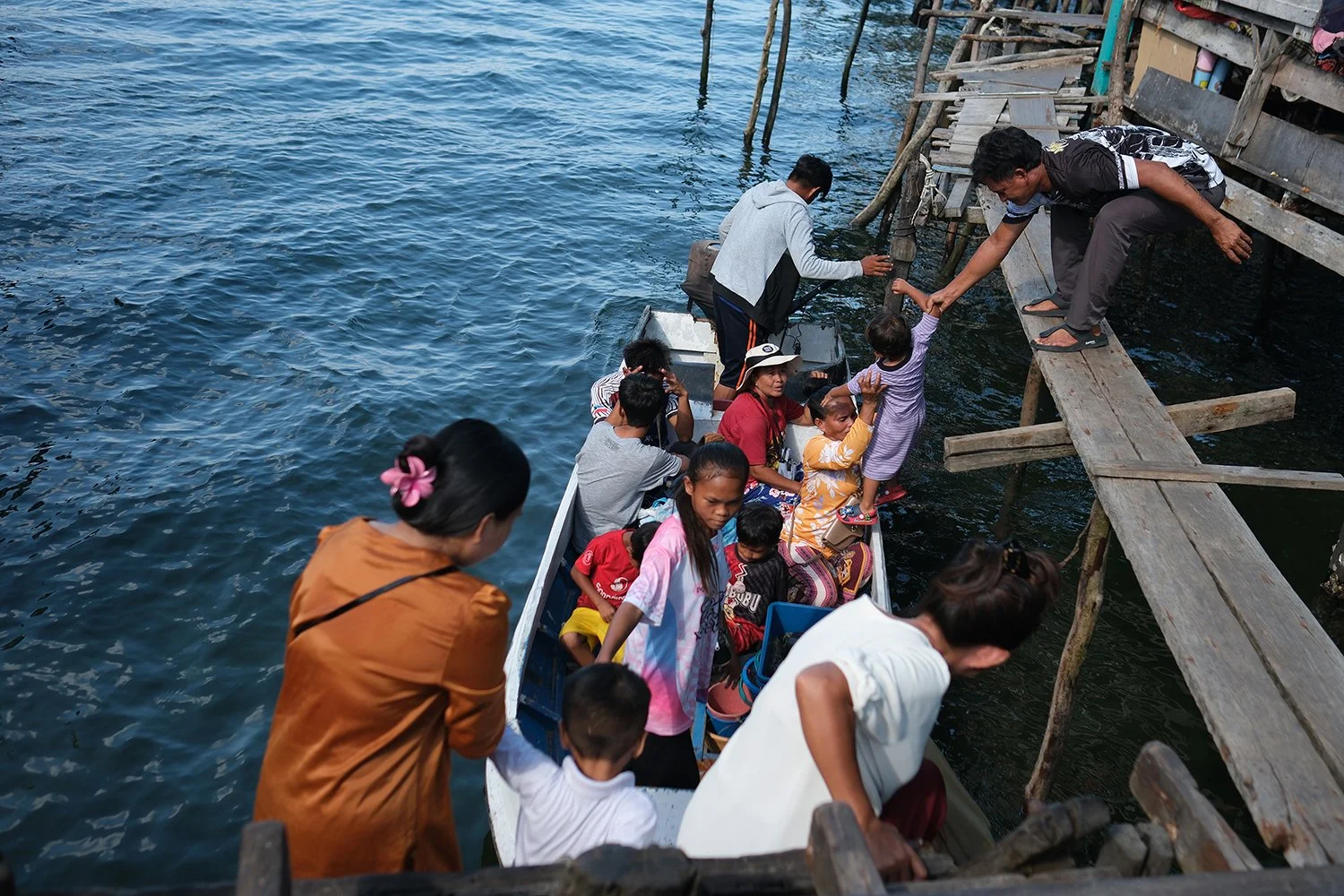
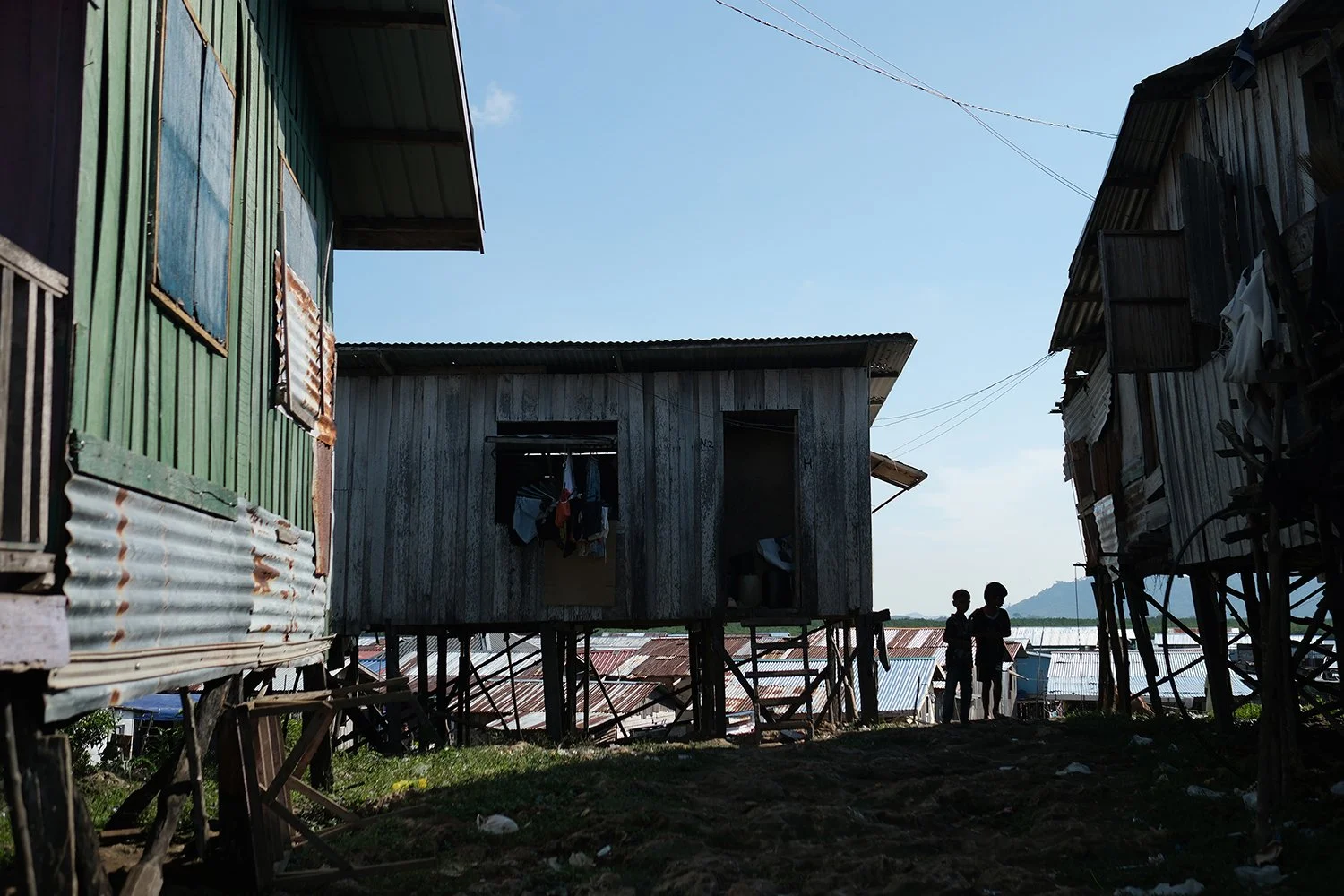
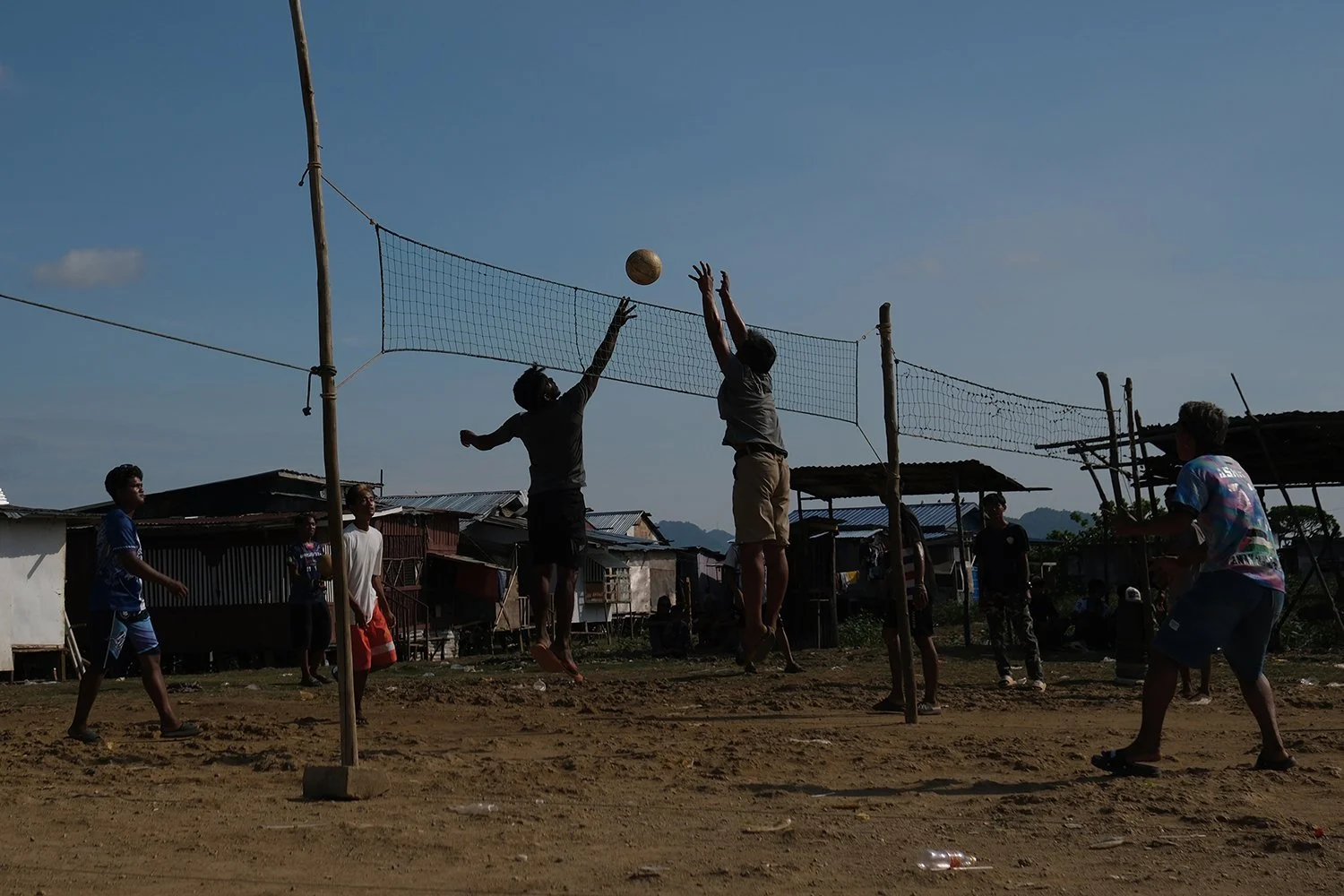
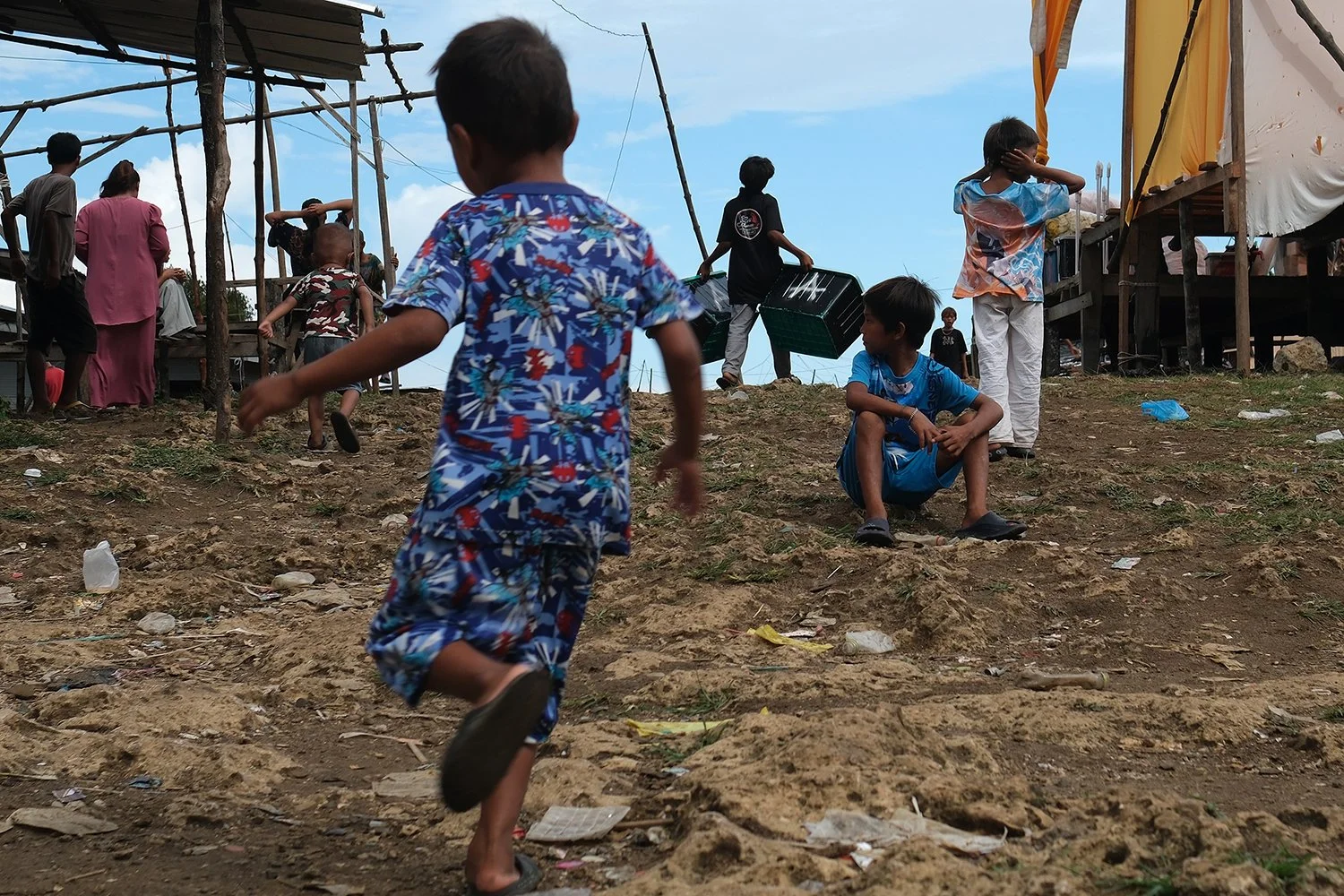
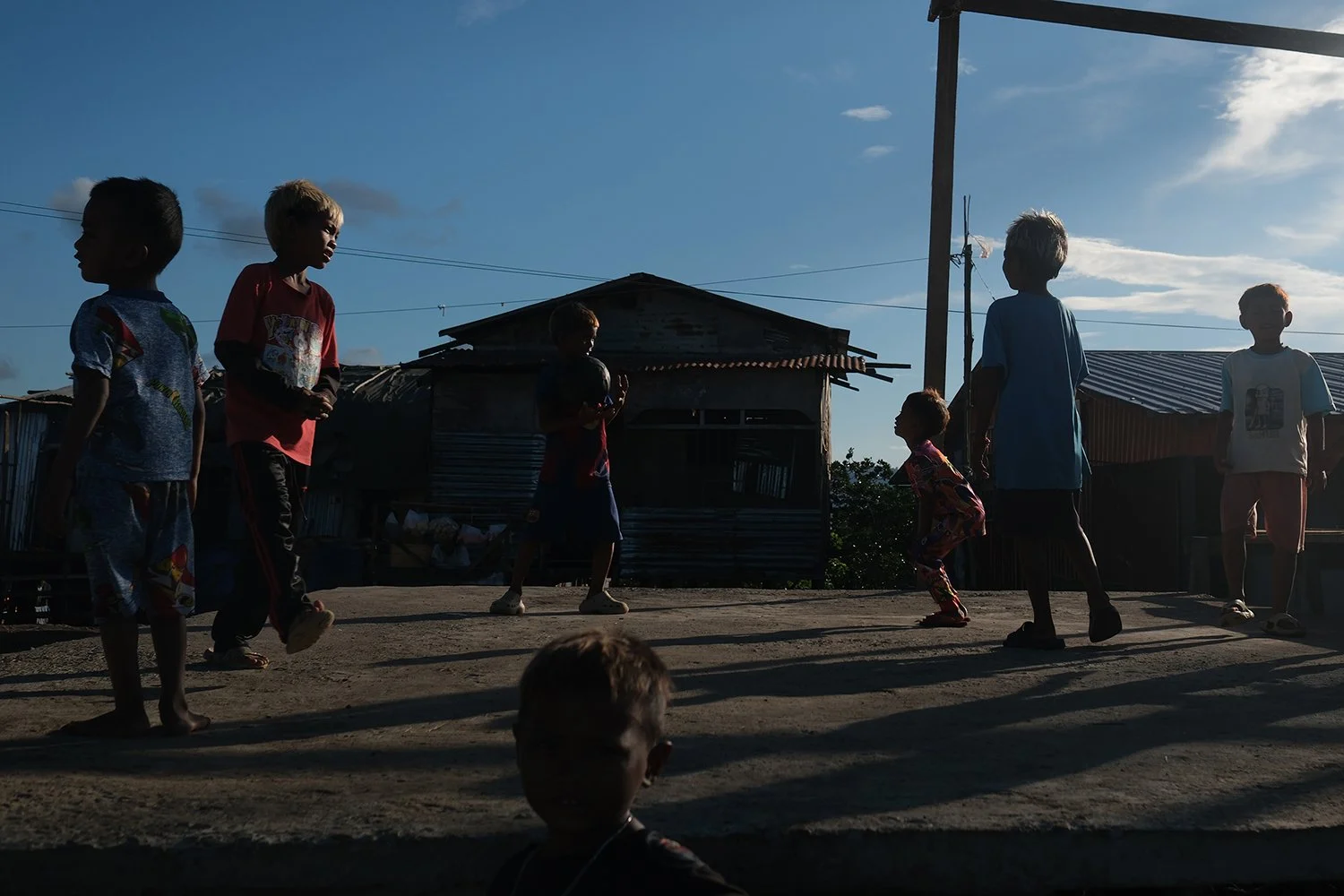
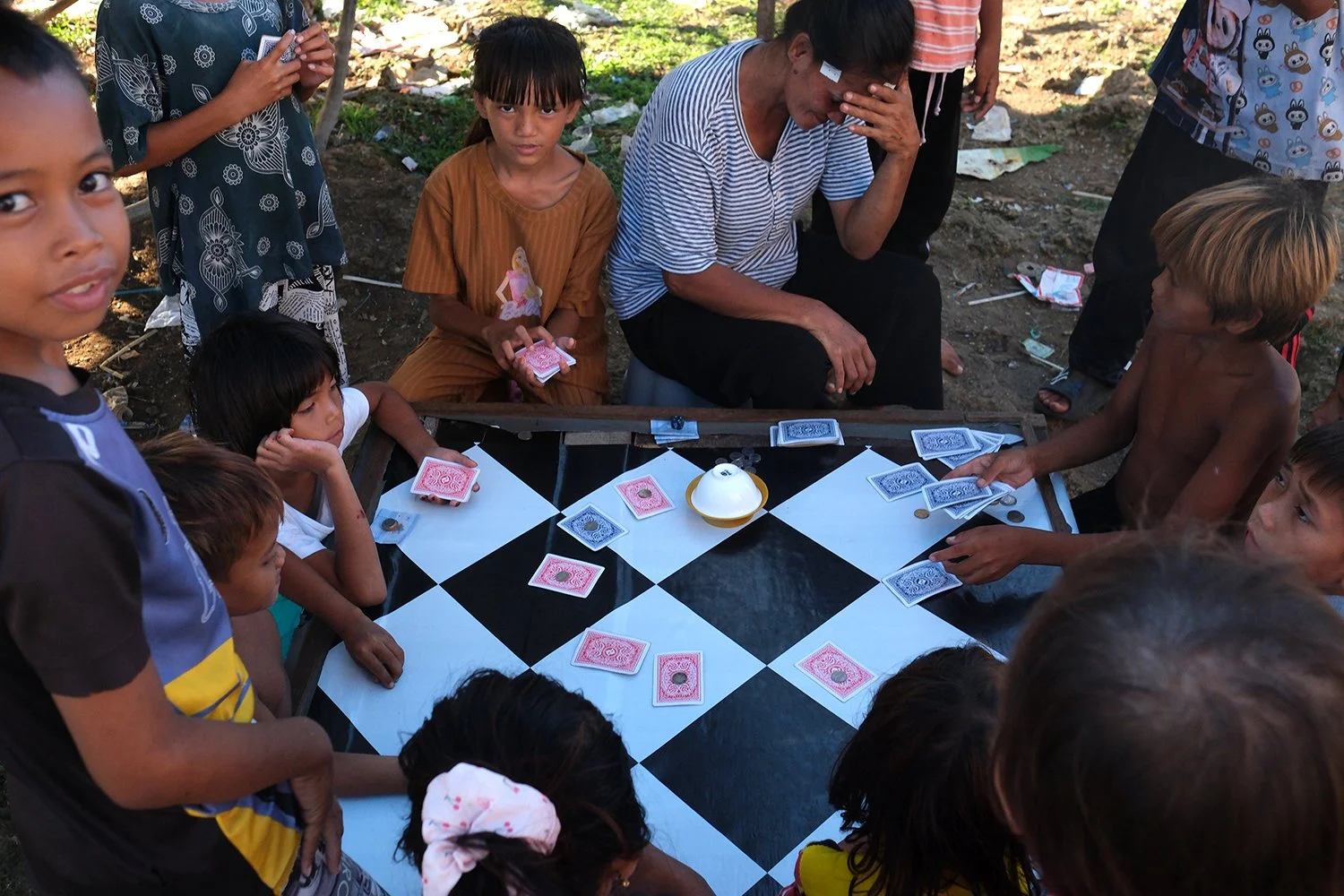
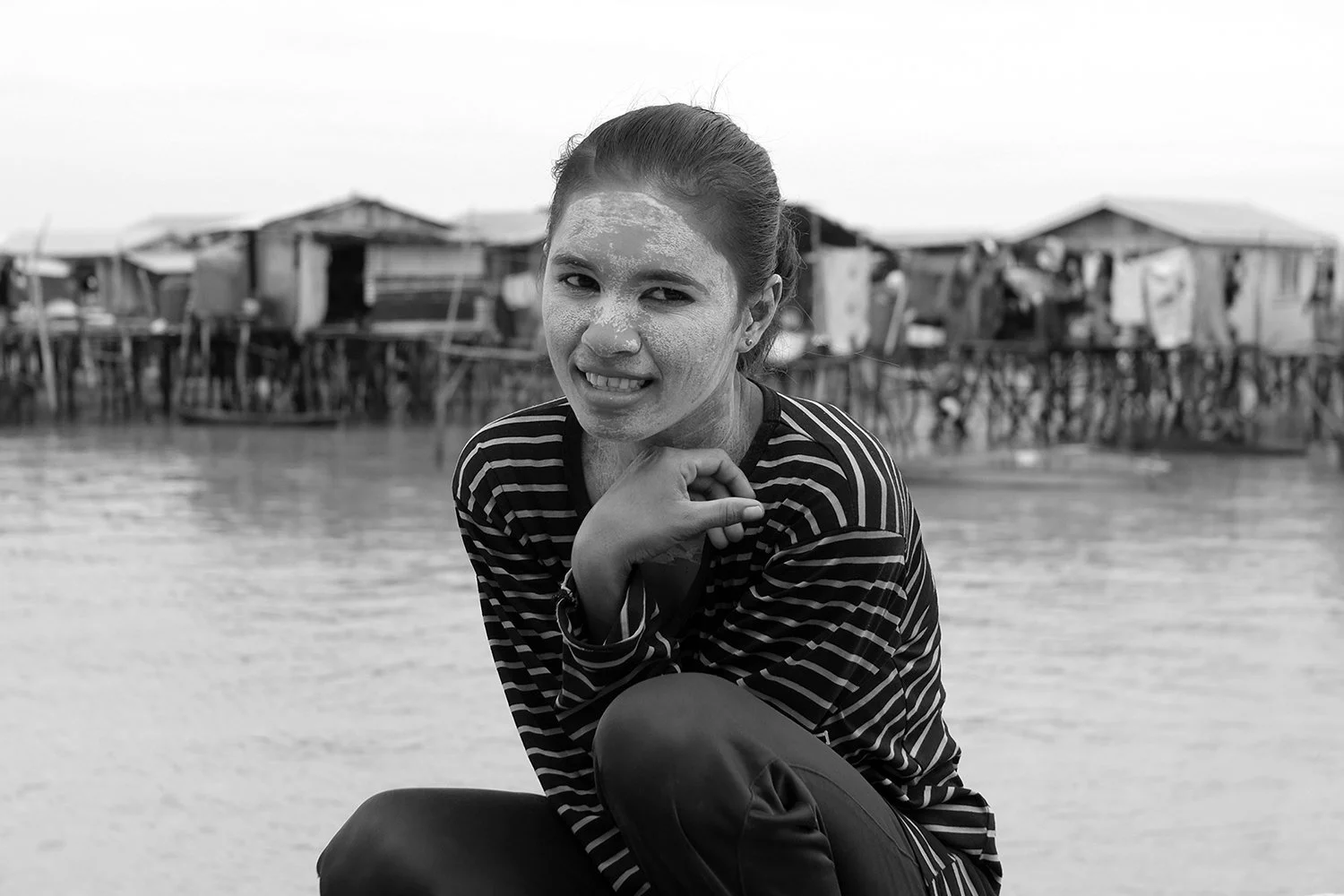
The life of the Bajau is frequently intersected by a profound "lack"—most are stateless, deprived of legal documentation and basic healthcare, earning wages as low as RM150 to RM450 a month. Despite this poverty and the "rough edges" of their settlements, there remains a total peace with their environment that fills the observer with awe. Their happiness is rooted in the "present moment"—the state of their health, the bounty of the fish brought in by the tide, and a radical sense of community where parents look out for one another's children. This joy is visible in the dirt-patch volleyball games played between ramshackle huts and the barefoot football matches played on concrete slabs at sunset. They are rich in human connection, seen in the communal effort of preparing kasuami (a steamed root) or laughing together on bamboo platforms, finding the "familiar in the unfamiliar" through a shared life of blood and bone.
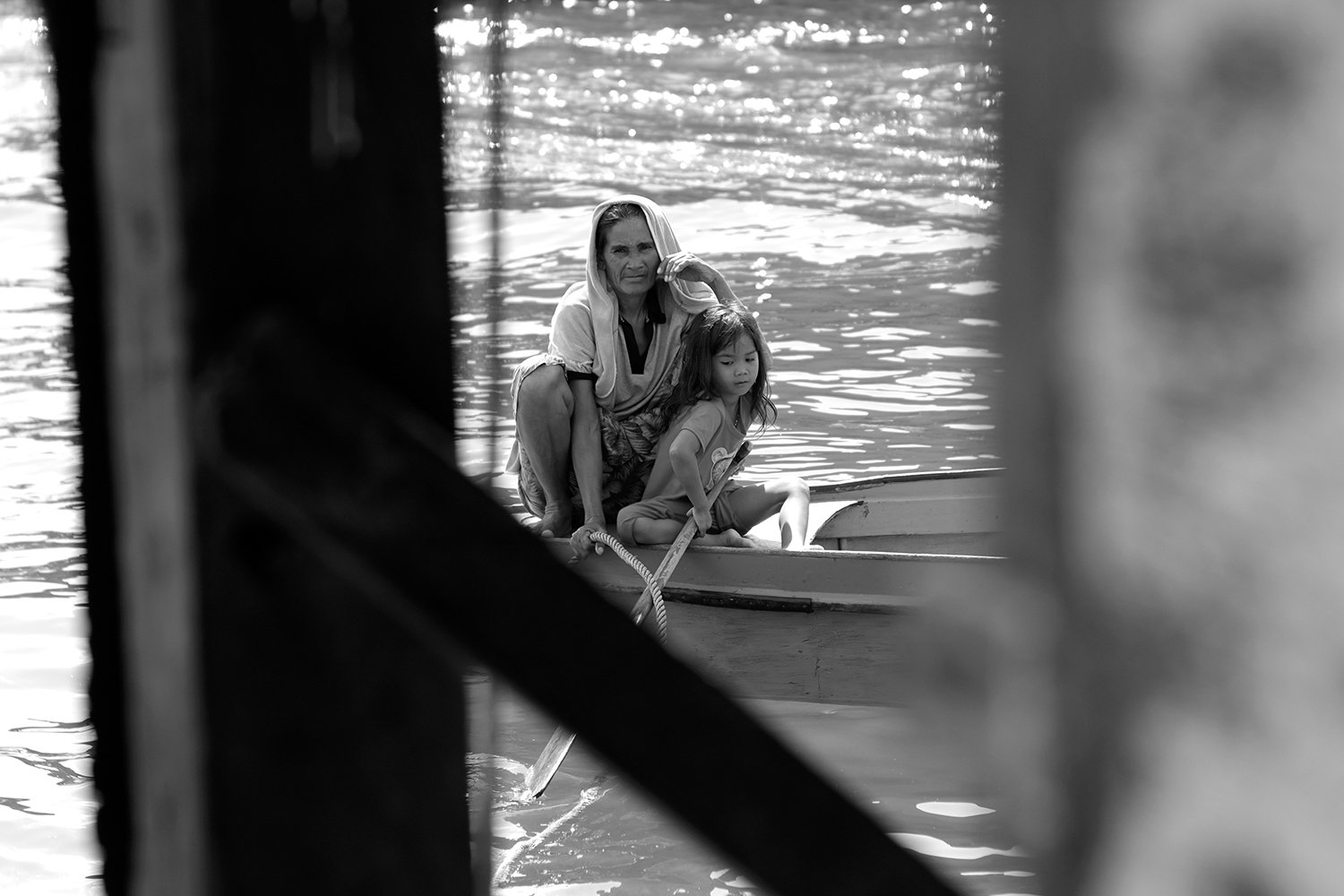

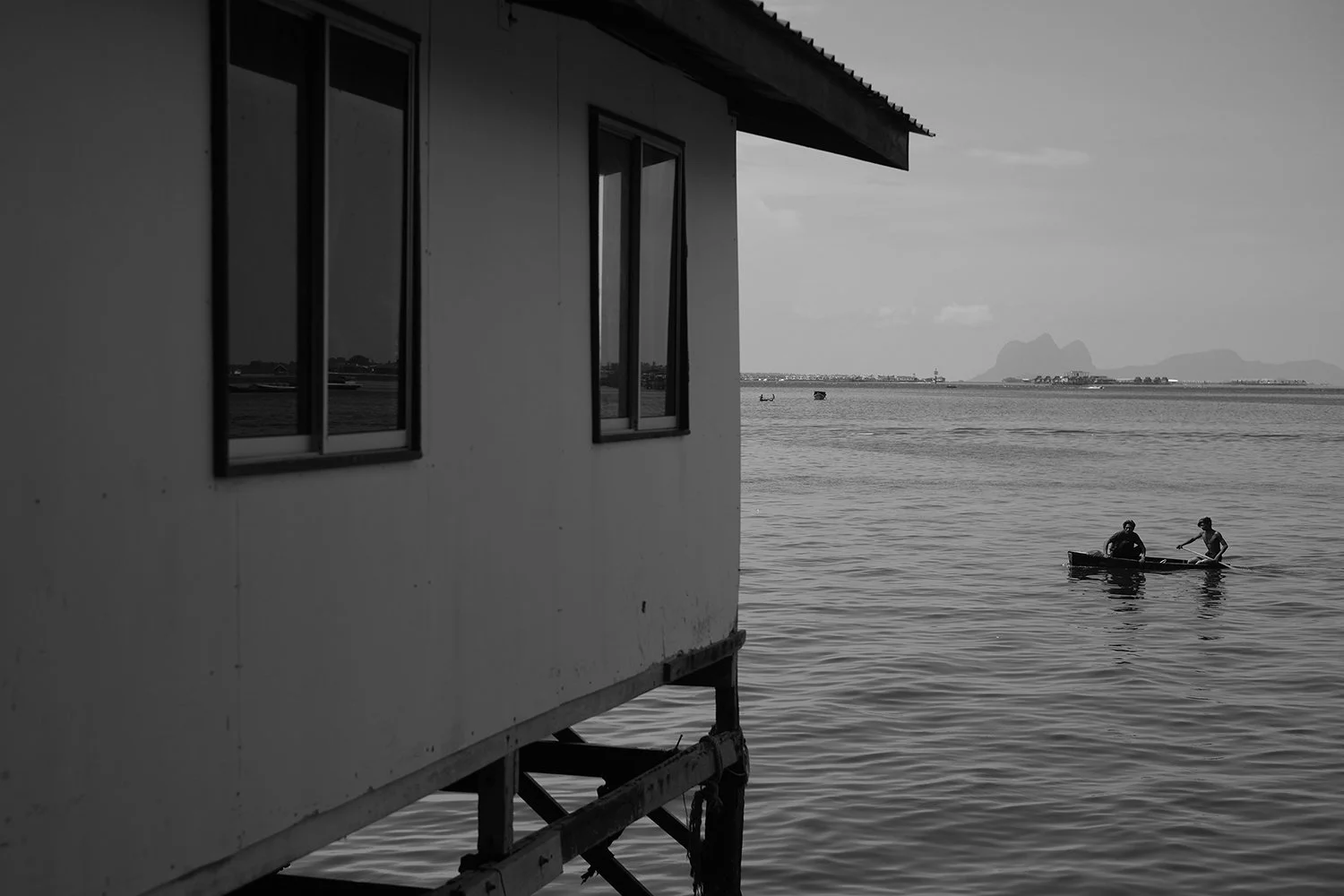
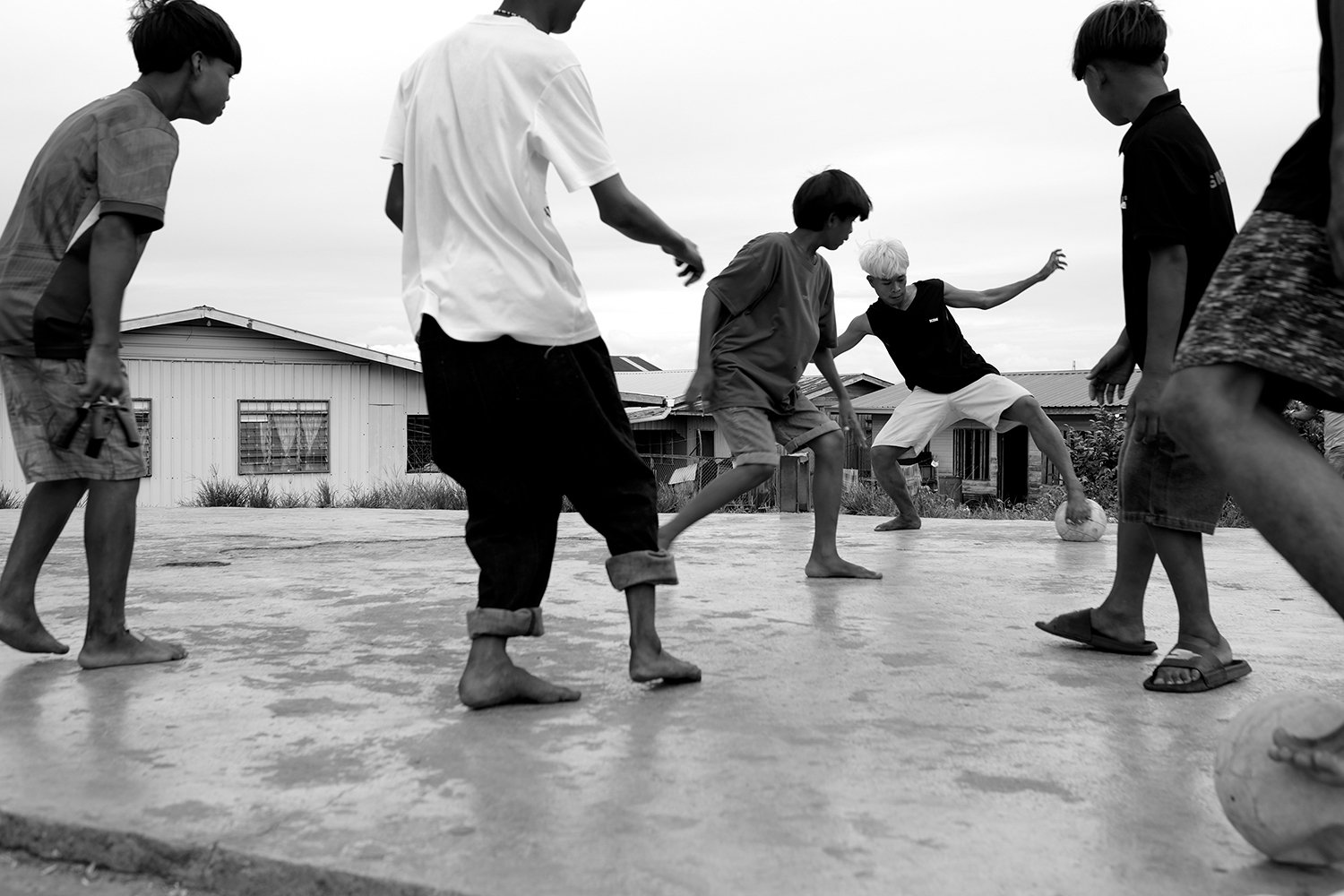
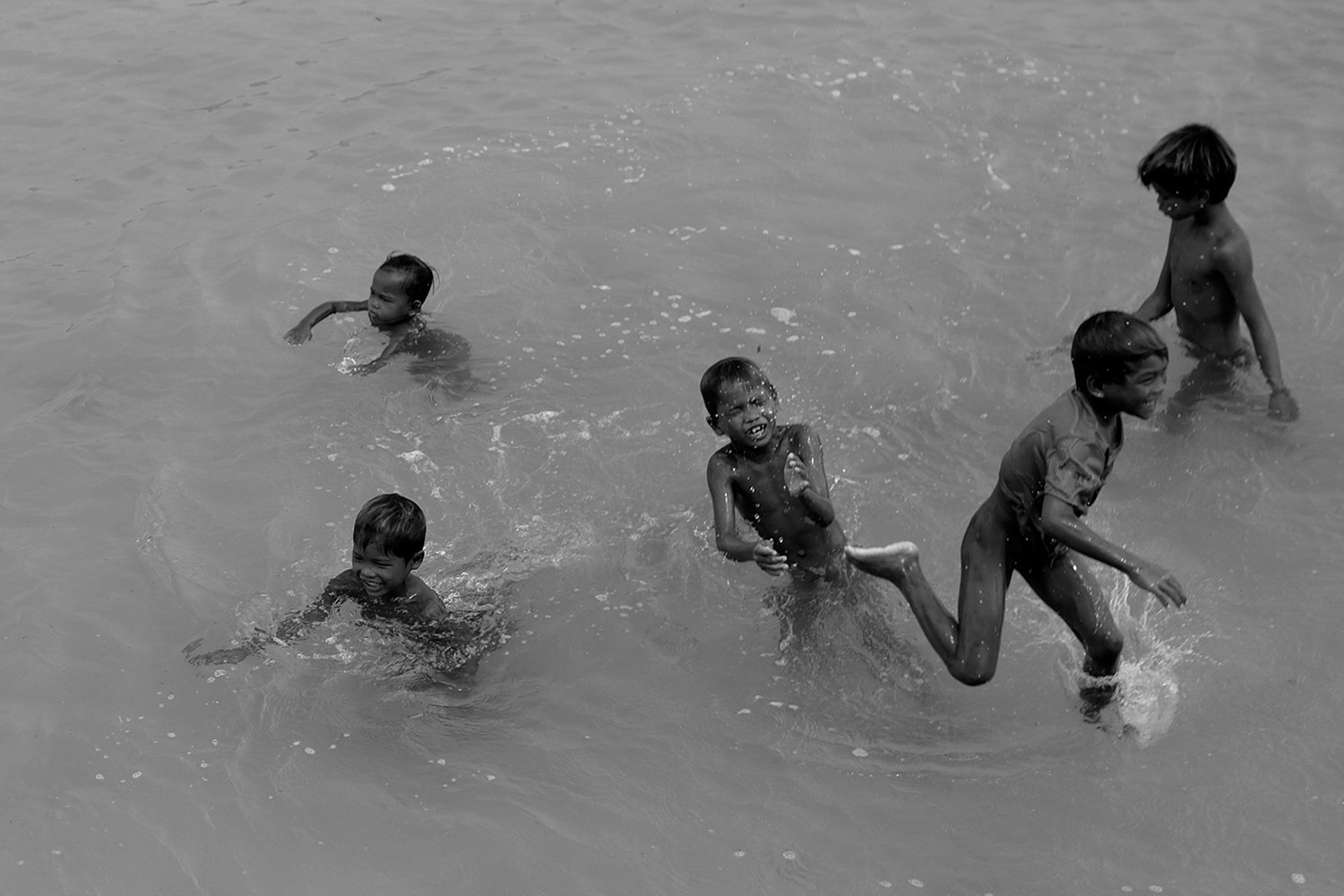

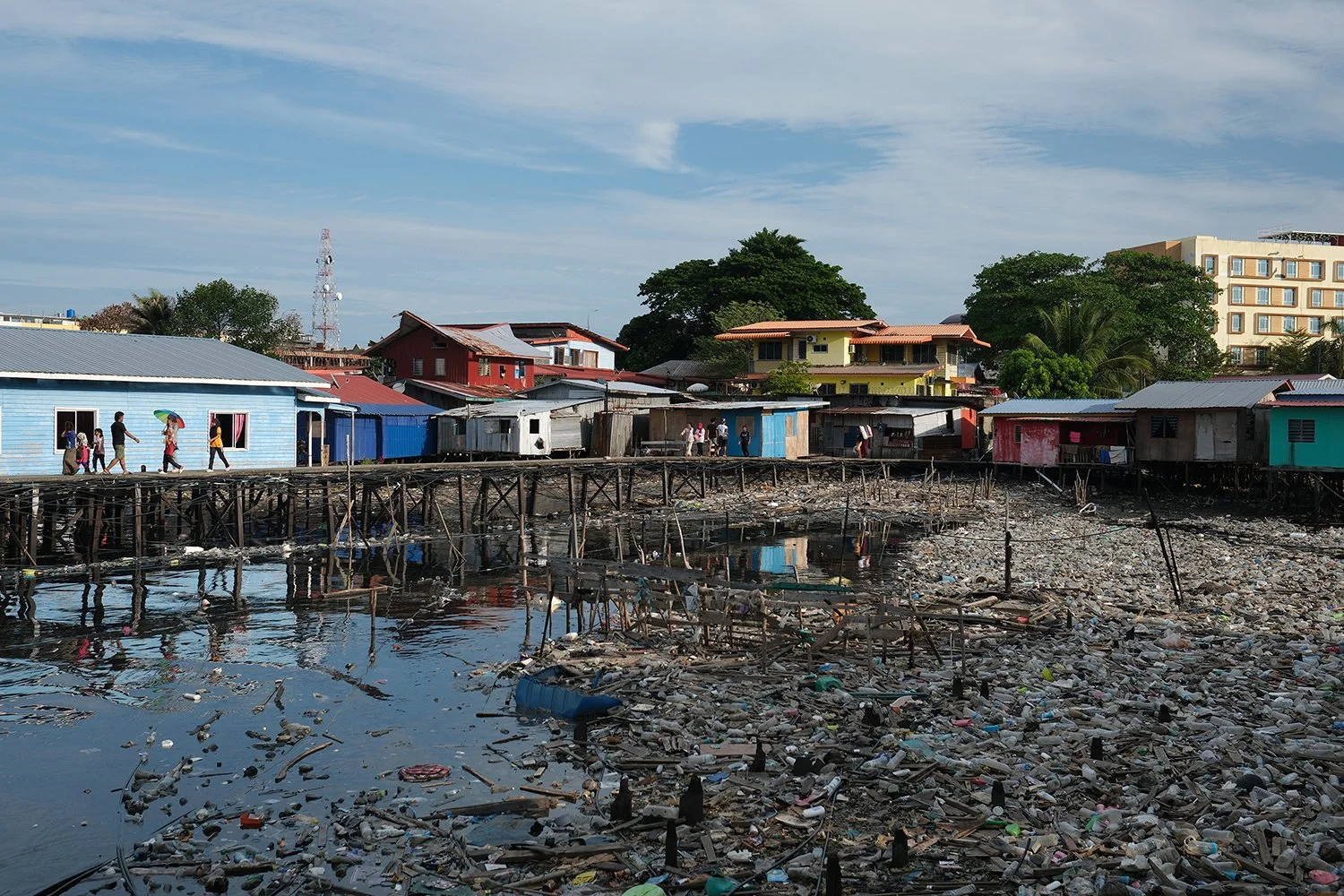
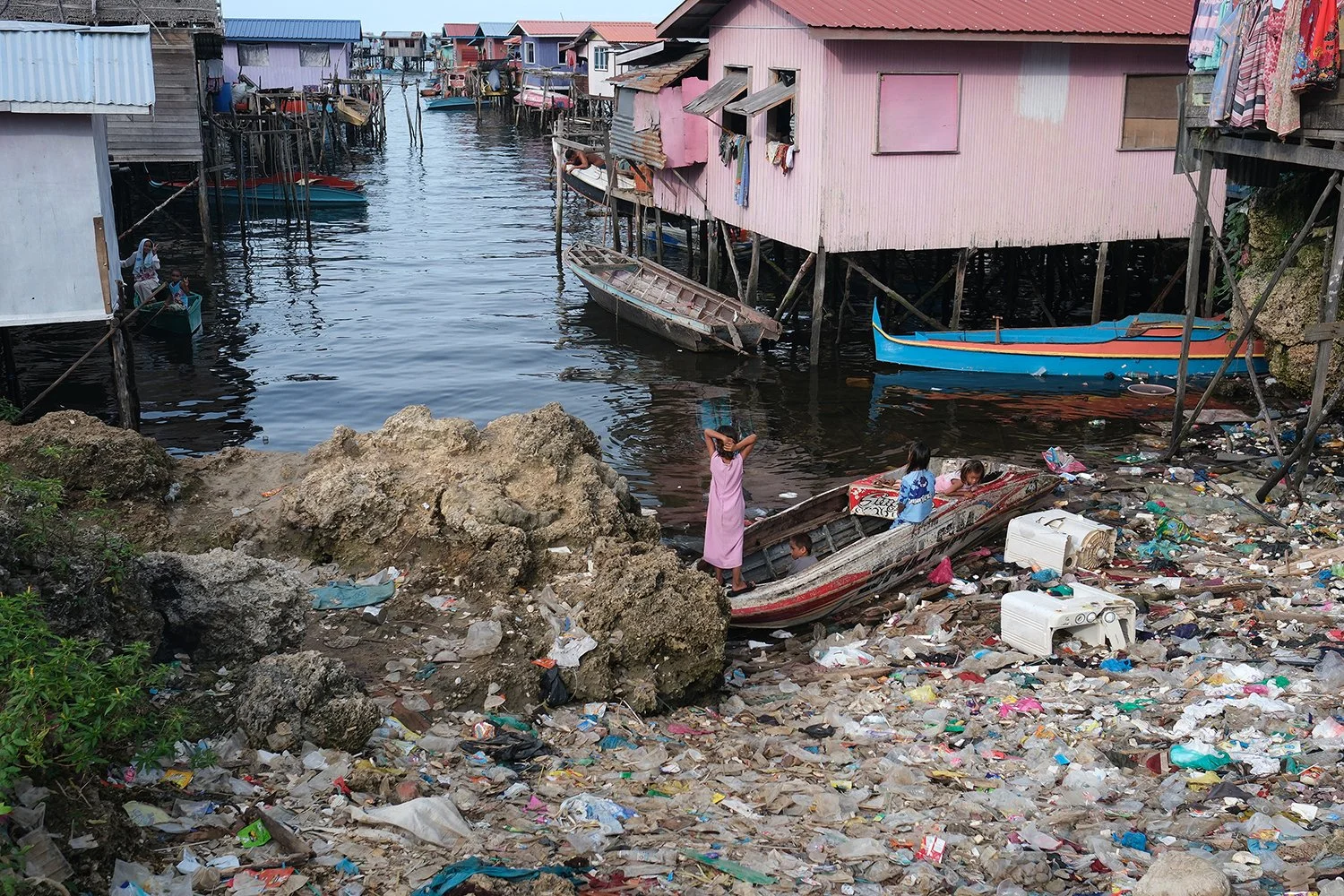
However, the edges of this turquoise world are increasingly marred by a new strata of debris. In the villages, one frequently encounters a "rotten smell" as wastewater and household waste flow directly into the sea. The water channels, once cleansed by the "self-purification" of the tides, are now carpeted with the artifacts of a globalized market—plastic bags and discarded fragments of nylon fishing tools—creating stagnant areas where the seawater is inactive. This environmental degradation is a "xenotopia" of our own making, a continent of rubbish within a country of coral that threatens to sever the Bajau’s vital link to the marine resources their ancestors have inhabited for a thousand years. One wonders what the ancestors would make of a sea that no longer bends for anyone, now burdened by the drifting weight of a world that does not know how to let go.